Diamondback Terrapin Juvenile Care
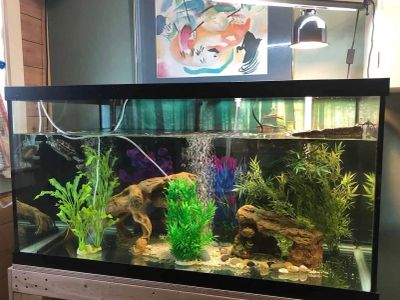
As your terrapin grows…
Once a Diamondback terrapin reaches approximately 3 inches in carapace (top shell) length, it enters the juvenile stage. At this point, the shell has developed beyond the delicate hatchling phase, allowing for deeper water, basking opportunities, and stronger lighting. Juvenile care focuses on continued growth, shell health, and maintaining excellent water quality.
Habitat Setup
Deeper clean water is appropriate at this stage
Juveniles require a larger enclosure as they grow
A 75-gallon aquarium or equivalent-sized stock tank is recommended
Strong filtration is important to manage the increased bioload
Continue providing abundant artificial or floating plant cover for hiding and security
Temperature & Lighting
Water temperature: 80 - 83°F
Consistent warm temperatures support steady, healthy growth
Provide full-spectrum UVB lighting (10–12%)
(Arcadia Reptile Pro T5 Kit, Desert 12% UVB is a great option)
UVB supports vitamin D production and proper calcium absorption, which are essential for shell development
Basking Requirements
A hard, dry basking dock should be added at the juvenile stage
A basking heat bulb may now be introduced
Proper basking allows juveniles to:
Fully dry their shells
Shed scutes normally
Maintain healthy shell structure
Feeding
Feed once daily
Continue offering a variety of high-quality pellets
(Mazuri Aquatic Turtle Food or Zoo Med Natural Aquatic Growth Formula Turtle Food are great options)
Dried or raw shrimp may be offered occasionally as treats
Reducing feeding frequency helps:
Maintain healthy growth rates
Reduce waste and improve water quality
Water Quality & Maintenance
Clean water remains extremely important for juvenile terrapins. Although juveniles are hardier than hatchlings, poor water quality can still lead to illness if not addressed promptly.
Perform water changes at least once per week, or more often depending on filtration
Larger tanks and reduced feeding frequency help lower bioload
Feeding outside the enclosure (optional) can further improve water quality
Poor water conditions may lead to:
Skin infections
Shell fungus
Other health complications
If illness or fungus is not detected and treated in a timely manner, veterinary care may be required.
Final Thoughts
With proper space, basking opportunities, nutrition, and excellent water quality, juvenile Diamondback Terrapins will continue to grow steadily and develop strong, healthy shells. Consistency in care at this stage sets the foundation for a healthy adult terrapin.